Main Content
Erase scars,
Perfect proportions
For covering incisions caused by various cosmetic surgeries
Scar cover hair transplant for women only
Due to surgery
Incision site hair loss / scar

Hairline, temples, sideburns, etc. When incising the skin around the hair
Hair follicles can be damaged.
If hair follicles are damaged, hair loss occurs where hair no longer grows,
The scar becomes more prominent because this area is not covered by hair.
Due to surgery
Hairline deformation
Side view after surgery The hairline and sideburns generally recede, or
Insufficient density of side hairBecause it becomes worn out
Rather, the surgery looks unnatural and makes the face feel wider.
Also, during the incision process The forehead often awkwardly changes into a square shape like a man's.Also occurs frequently.
Different from some skin
Scarred skin
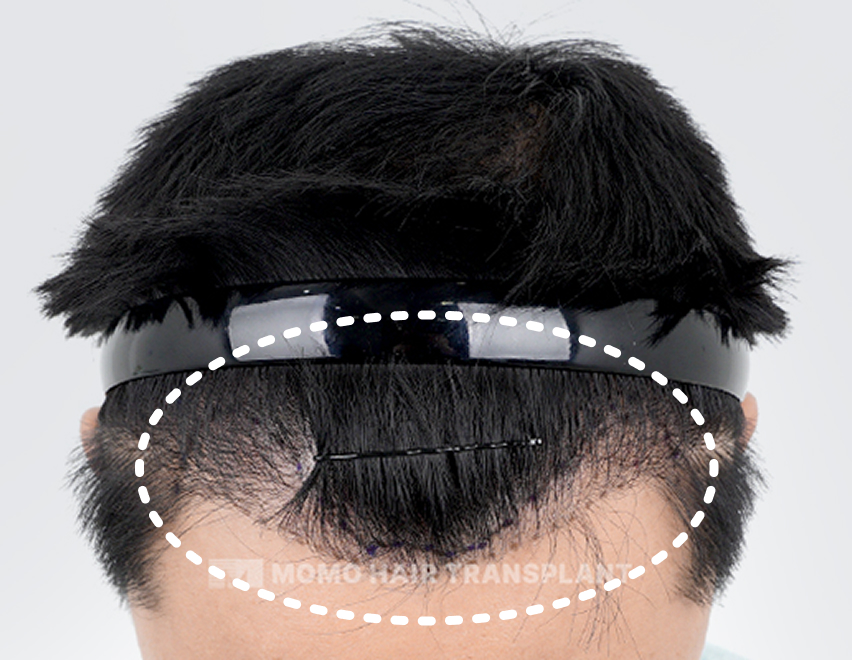
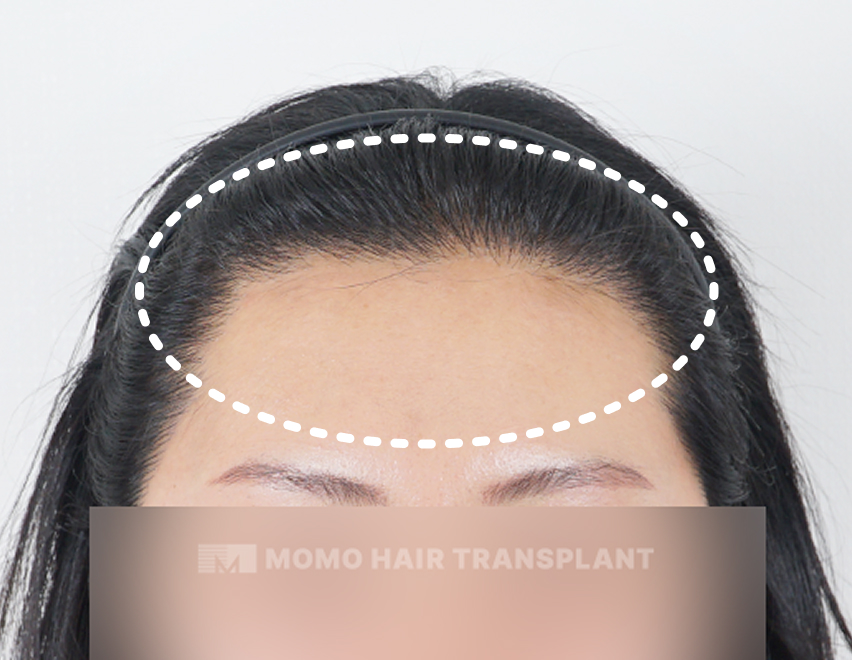
Unlike smooth and healthy normal skin,
Skin with scars does not have smooth blood circulation, resulting in insufficient blood flow and reduced tension.
- Insufficient blood flow due to poor blood circulation
- Hard scar surface with insufficient elasticity
- Damaged pores, sebaceous glands, sweat glands
Scarred skin that is difficult to engraft
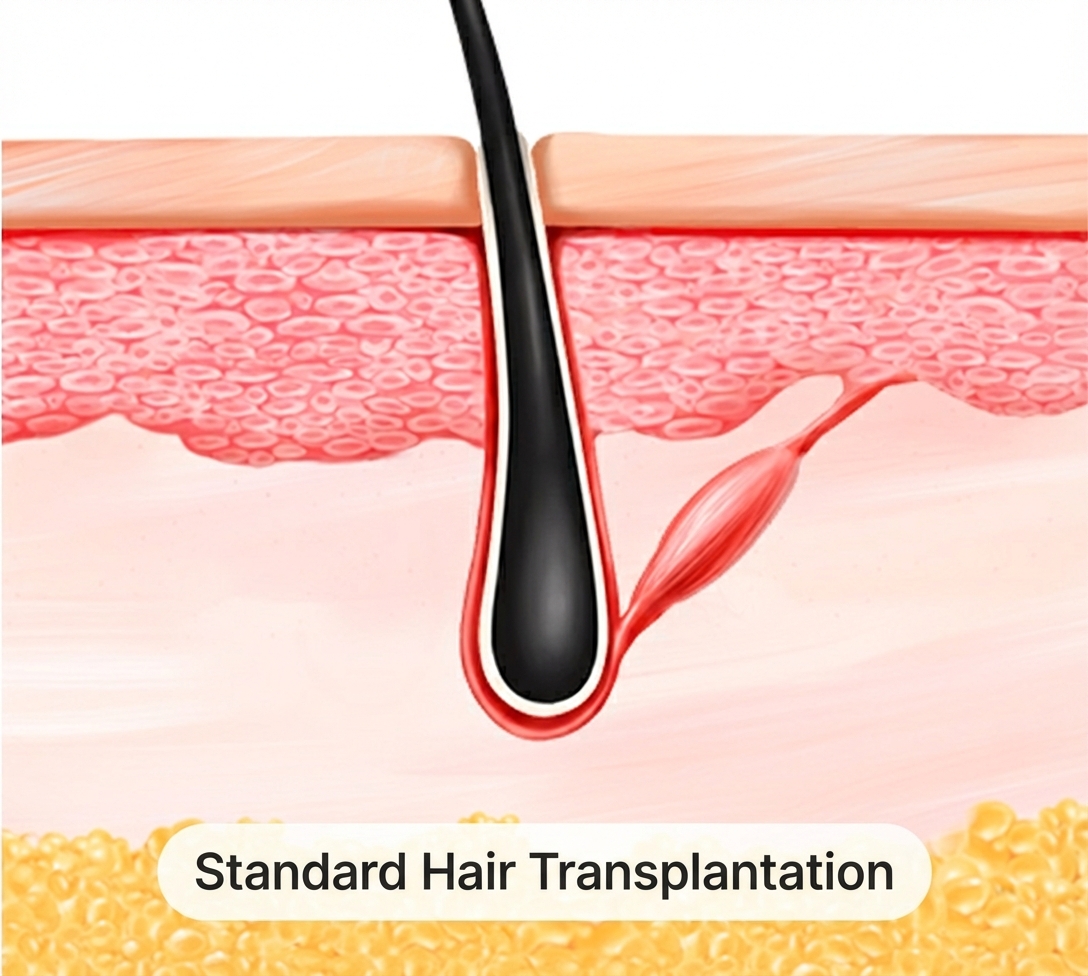
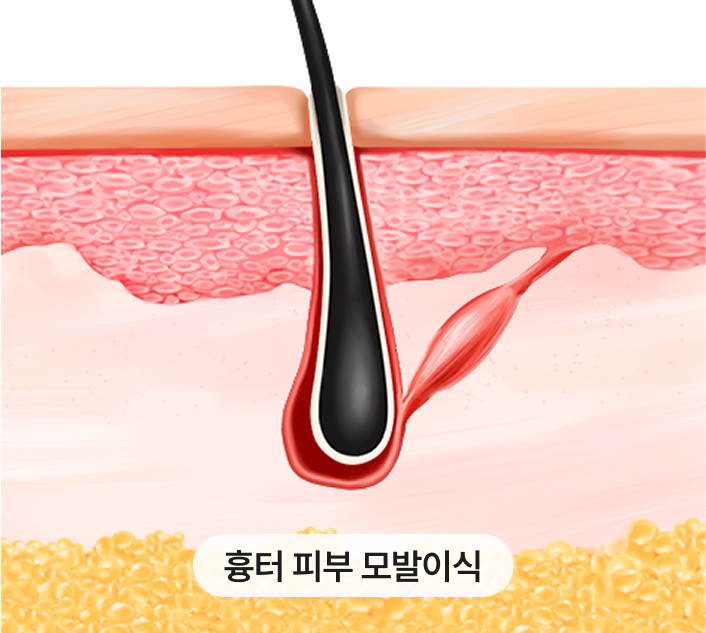
When transplanting to scarred skin, there is no force to fix the transplanted hair follicles.
Because the scarred skin is hard, there is not enough force for the hair to grow.
Also, even if hair follicles are engrafted due to insufficient blood supply, it is difficult to maintain them due to lack of nutrients.
Therefore, Deeply and firmly fix the transplanted hair follicles
A highly difficult technique is required to ensure that hair grows well.
Recommended types of scar cover hair transplantation
- Line scars due to scalp incision
- Hairline deformation and receding
- Line scars due to scalp incision
- Hairline deformation and receding
- Hair follicle loss due to scars above the ears
- Loss of sideburns on the side
- Scalp scars remaining along the surgical line
- Hair follicle loss due to scars above the ears
- Loss of sideburns on the side
- Widened side face
Scar cover hair transplant case
-
Case 01
Forehead reduction / forehead lift scar
Suture scars appear particularly white because melanin is not formed.
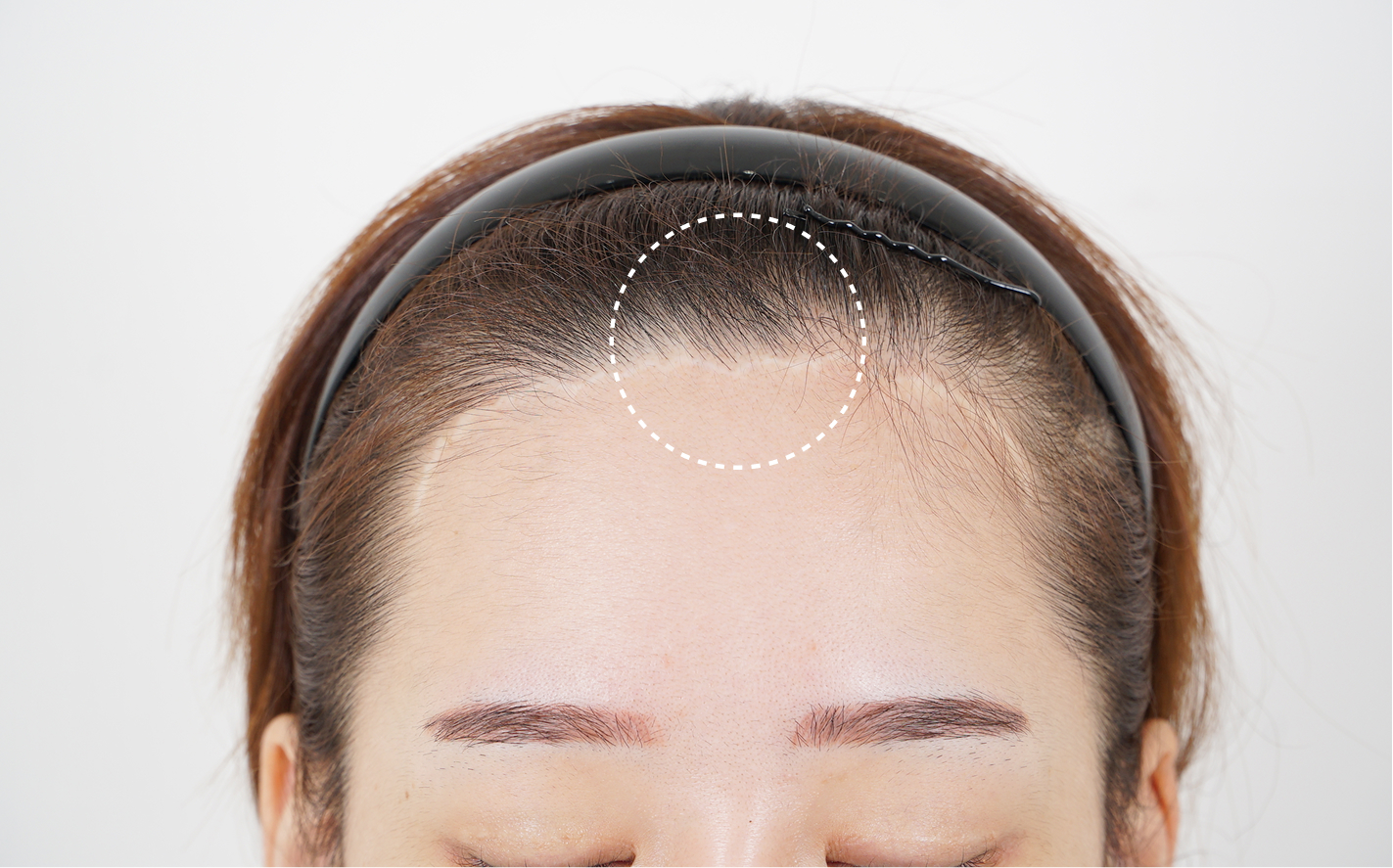
Existing in the hairline area Fine hairs, baby hairs, and thin fine hairs are lost.
The scar becomes more prominent.
In particular, incision site suture scars Melanin is not formed
Even white hairline scars are created, causing a sense of intimidation from external gazes.
In particular, in the case of forehead reduction, the height of the forehead itself can be reduced, but The shape of the hairline itself cannot be improved.
Rather, the hairline recedes. Surgical satisfaction is low. -
Case 02
Sideburn scars after contouring / lifting
The side of the face looks wider due to loss of sideburns.
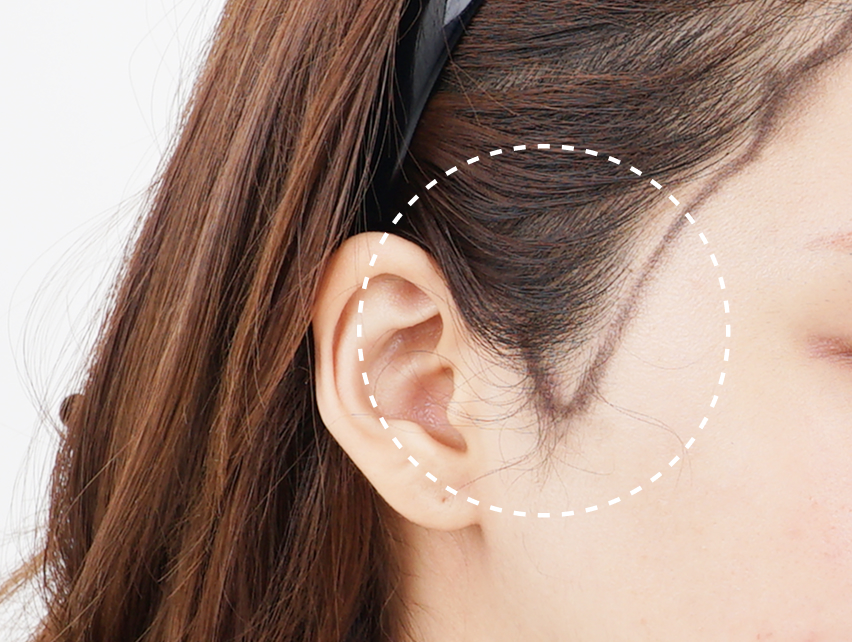
During facial contouring
The incision line goes into the scalp, or
When the incision is extended to the temple area next to the eye
In the process of pulling the tissue
The sideburn area recedes or disappears further.Can be.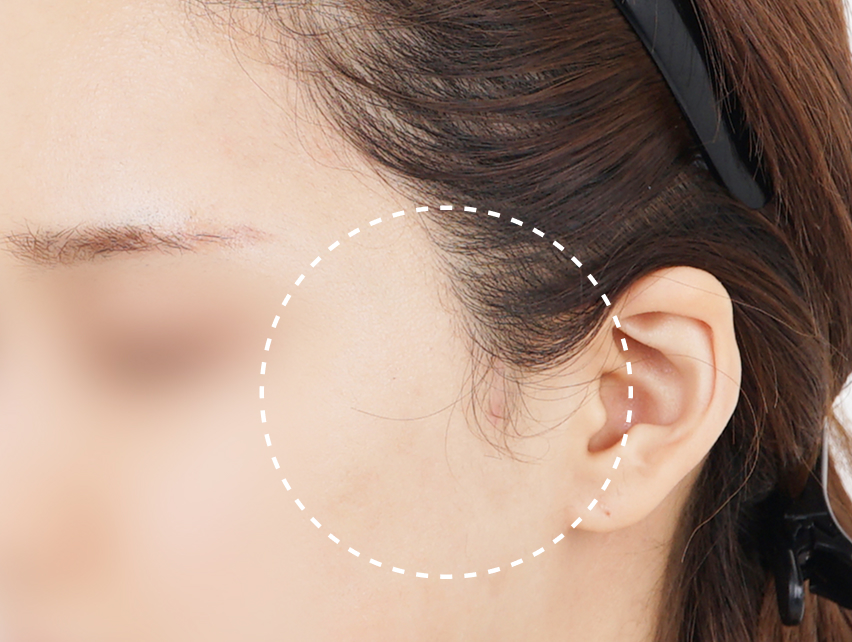
During a facelift
The skin from the front of the ear is pulled upwards and backwards,
At this time, the hairline is pulled up along with it.
Sideburns and side hair disappear.
Due to this As the hairline recedes
The side area of the face widens, making the face look bigger. -
Case 03
Scalp incision scar after contouring surgery
A large circular shape of hair loss may occur.
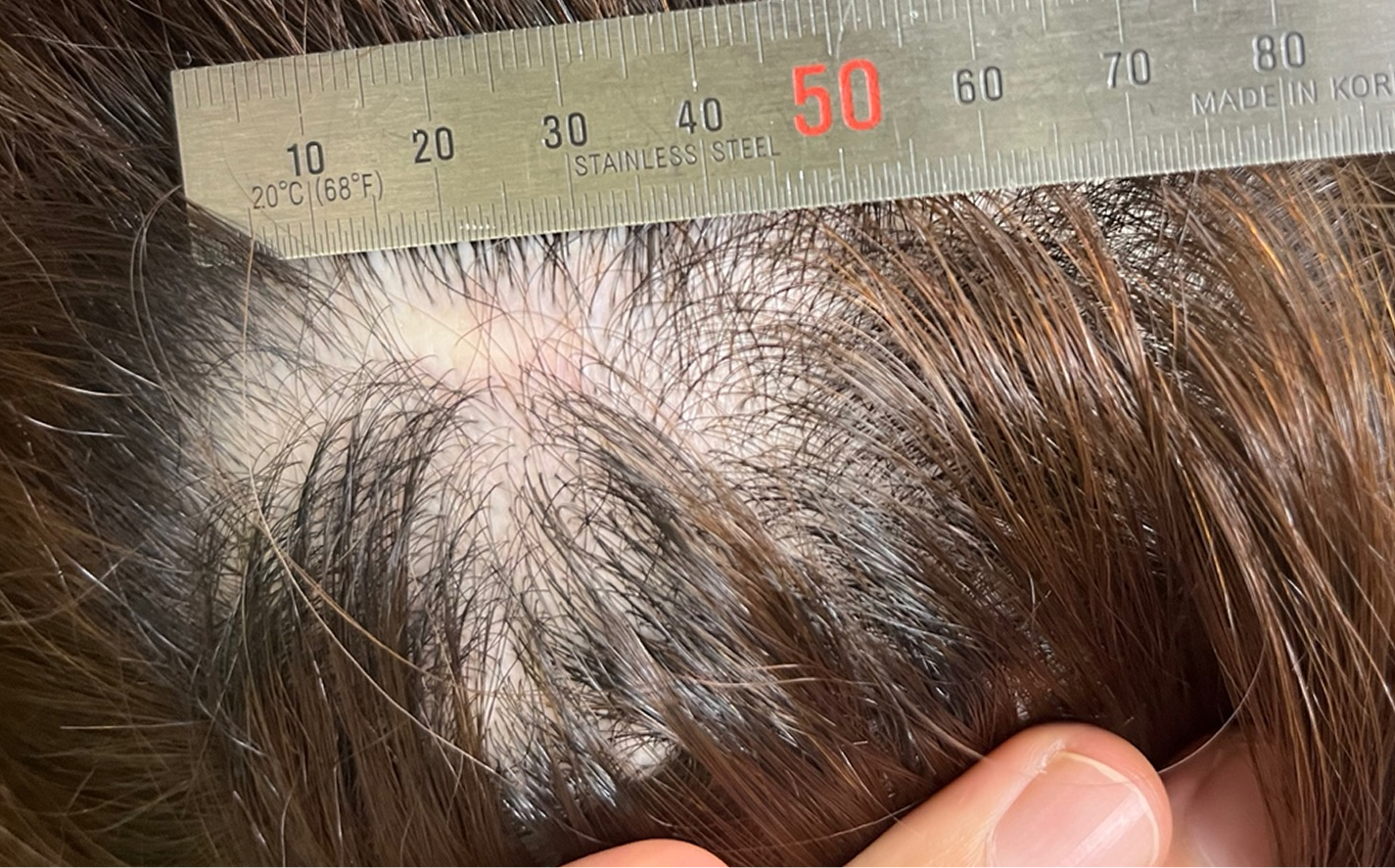
If you had contouring surgery using a scalp incision method,
A large scar may form on the scalp like circular hair loss, or
Hair is stressed due to physical pressure.
Accompanying hair loss occurs around the incision.
MOMO
Scar cover hair transplant is
Special reason
-
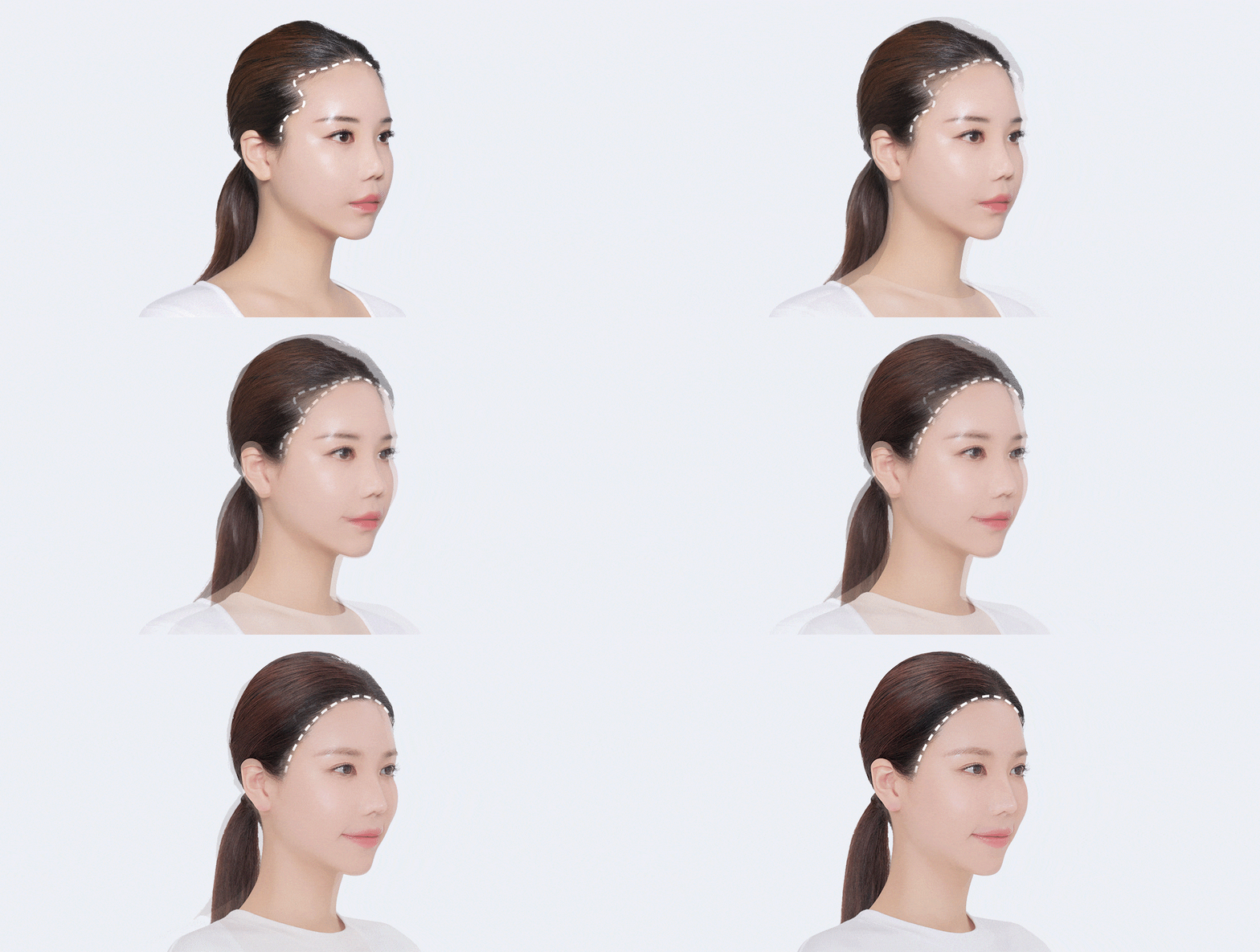
Scar cover reconstruction
Hair transplant -
Face, hairline ratio
Reconstruction
Simply Scarred areaOnly CoverBeyond that, it was a concern Improvement of the M-shaped areaOr,
Rather backwards due to surgery Receding hairlineWith hair transplant CorrectionTo
To look perfect from any angle
Readjust face ratioThe key to female hair transplantation is to increase patient satisfaction.
Scar Cover Plan
step 1
Diagnose the skin condition of the scar area,
Predict the existing hairline shape
step 2
In addition to the hair implanter, slit or
Review whether to use additional punch
step 3
Scar area transplantation, of course,
Personalized custom design
Hairline transplant
step 4
Considering skin characteristics
To increase engraftment rate
Appropriate density control
step 5
During transplantation as needed
Engraftment strengthening injection
(PDRN ingredient) administration
※ The surgical method / plan will be different depending on the patient's condition.
Scar cover hair transplant surgery process
-
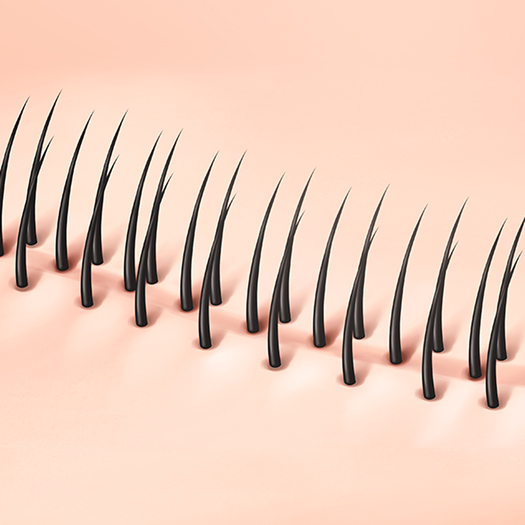
 Step 01
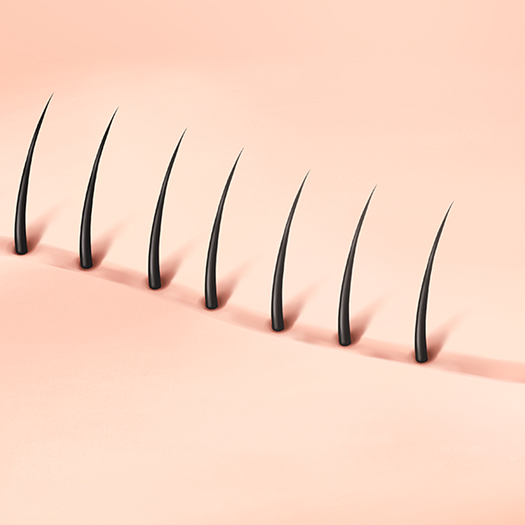
After surgery, scars occur
Hair is transplanted along the incision line. -
 Step 02
Transplant hair densely around the scar line
Cover surgical scars as much as possible. -
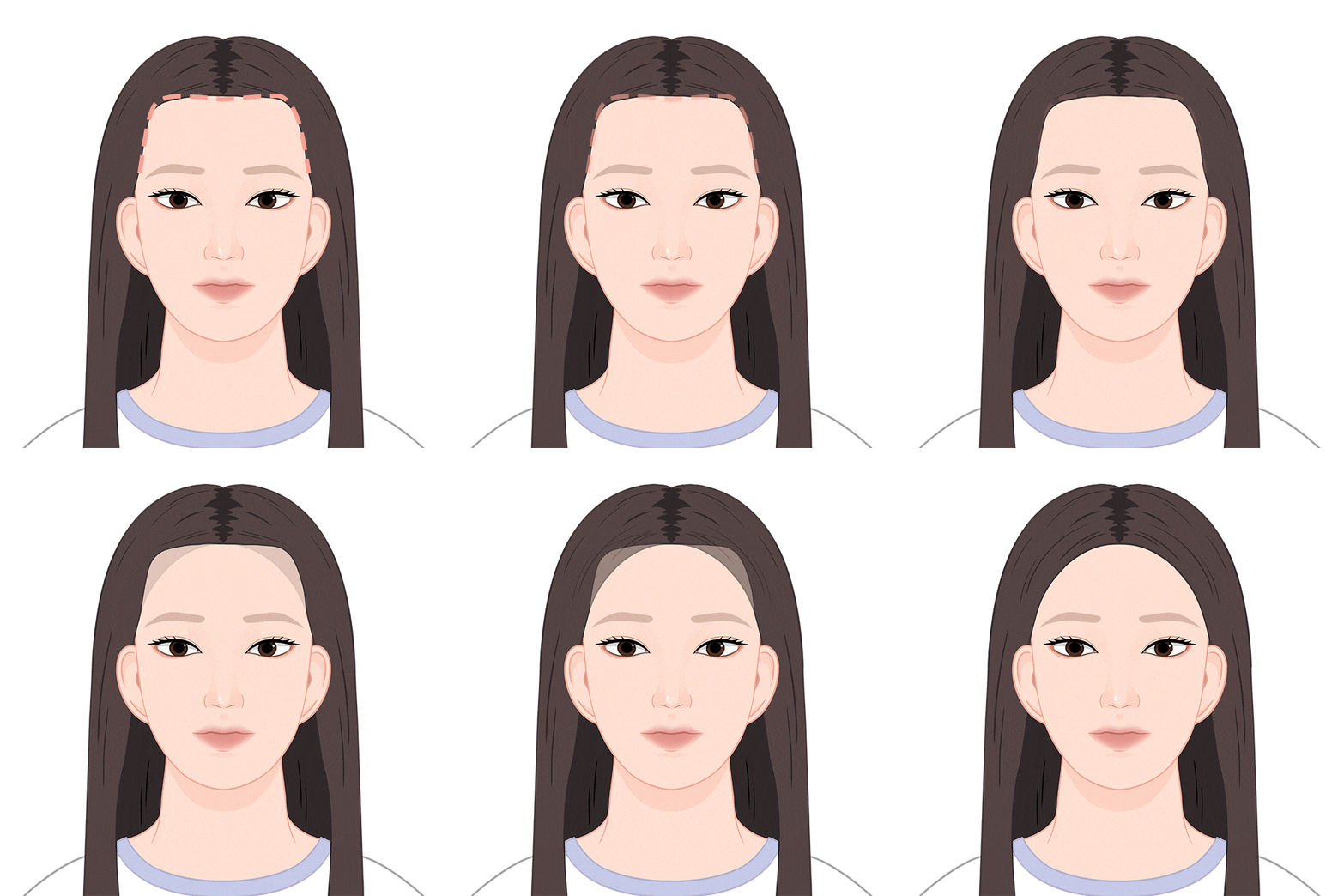 Step 03
In addition to scar cover, to create the desired face shape
Personalized custom design hairline Transplant hair accordingly.
MOMO speaks with results
-
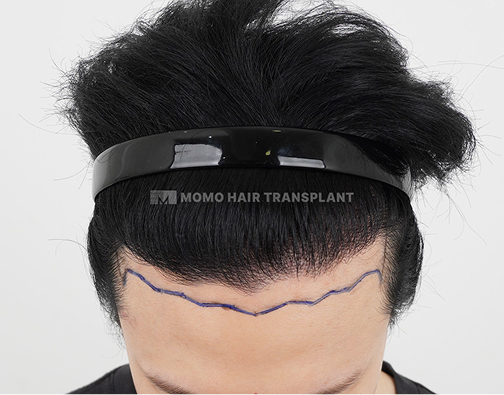
Before 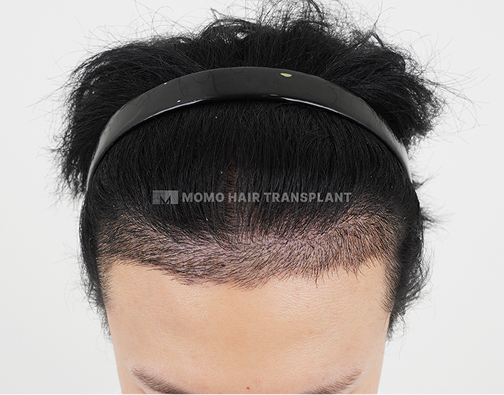
After - Forehead lift scar cover non-incisional hair transplant
- 375 days passed
2022.09.09 ~ 2023.09.19
-
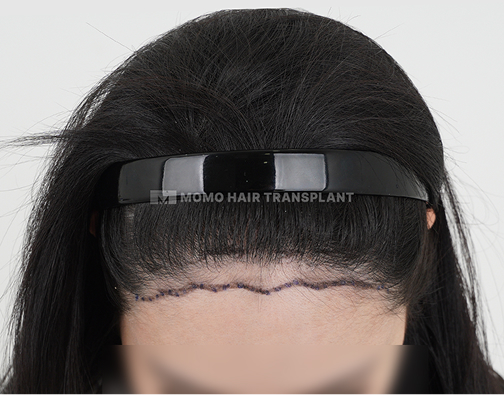
Before 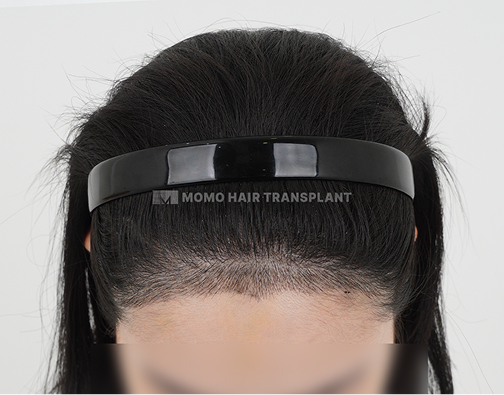
After - Contour surgery scar cover non-incisional hair transplant
- 391 days passed
2022.10.21 ~ 2023.11.16
-
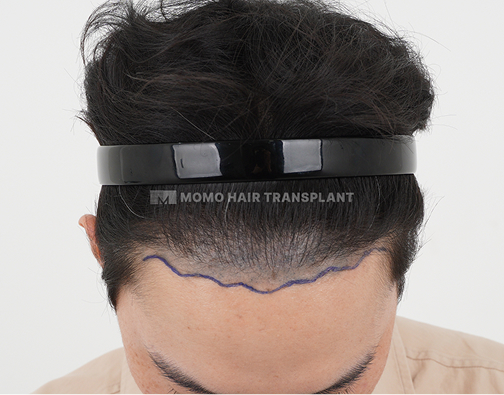
Before 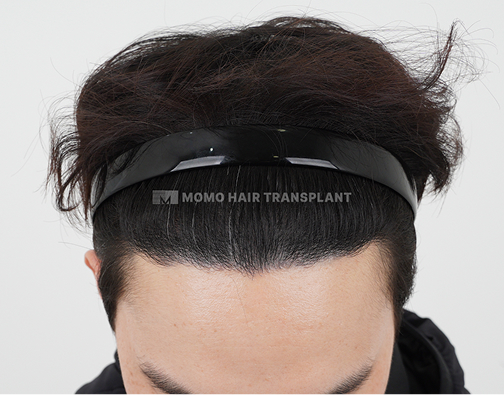
After - Forehead reduction scar cover incisional hair transplant
- 327 days passed
2023.03.02 ~ 2024.01.23
-
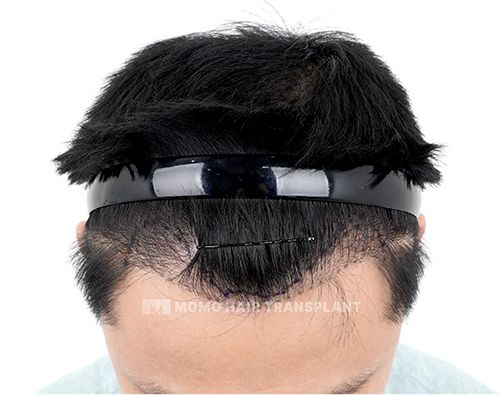
Before 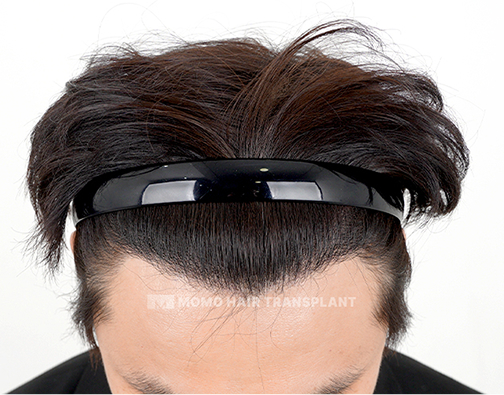
After - Forehead reduction scar cover incisional hair transplant
- 314 days passed
2023.01.20 ~ 2023.11.30
-
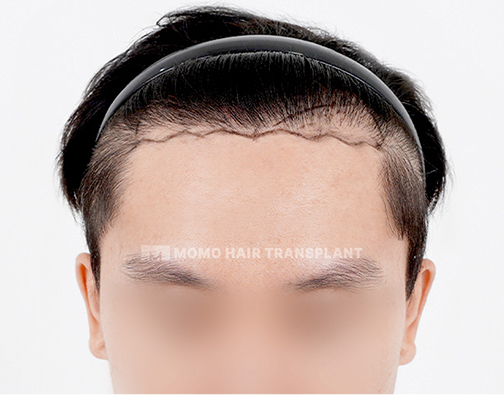
Before 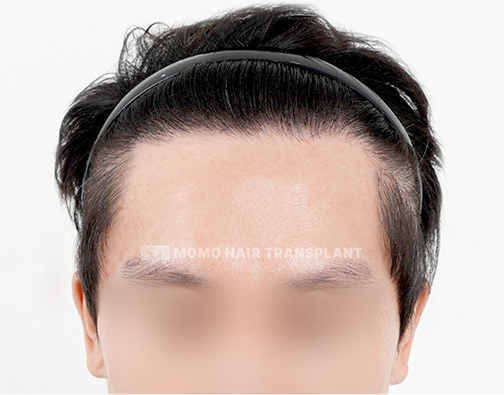
After - Forehead lift scar cover incisional hair transplant
- 322 days passed
2023.08.02 ~ 2024.06.19
-
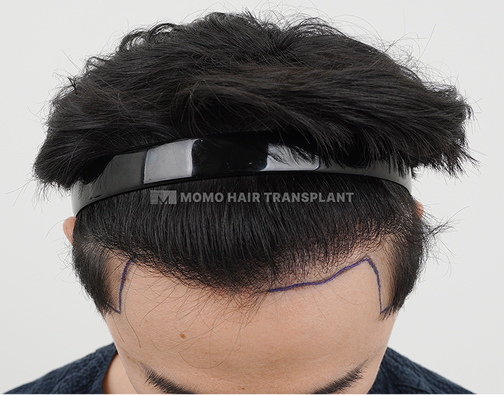
Before 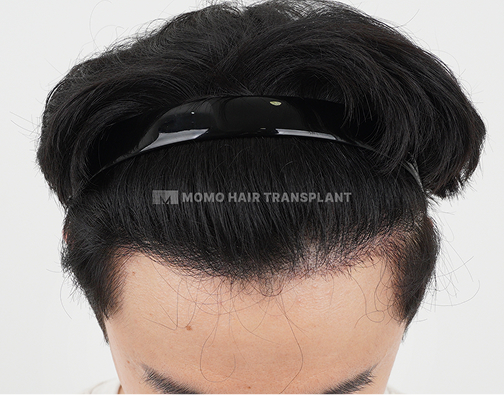
After - Forehead lift scar cover non-incisional hair transplant
- 308 days passed
2023.08.19 ~ 2024.06.22
* This photo was taken under the same conditions with the consent of the customer.
* After surgery or procedures, there may be individual differences, and side effects such as inflammation, bleeding, infection, and asymmetry may occur, so please proceed after sufficient consultation with the medical staff in charge.
Frequently Asked Questions
Here are some questions and answers regarding scar cover hair transplantation. If you want more details, consult with an expert.
-
q.
When can I get a hair transplant to cover plastic surgery scars such as forehead reduction?
a.Hair transplantation is possible 6 months after the scar has fully healed.
-
q.
Is it possible to transplant only the incision line scar area?
a.Depending on the patient's choice, it is possible to transplant only to cover the incision line, but proceeding in a direction that corrects the overall hairline may result in higher satisfaction.
-
q.
If I get a scar cover hair transplant, will I be able to completely cover the scar area?
a.The engraftment rate in the scar area is lower than in normal skin, so repeated surgery is required.
Usually, you need to have about two transplant surgeries to get the effect of covering the scar area.